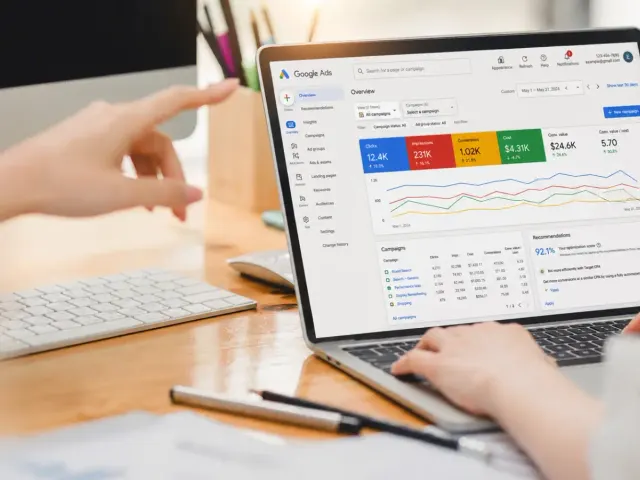

Performance Max Campaigns — How to Build a Structure That Scales Profitably

Performance Max can be one of the most scalable campaign types in Google Ads, but it is not a magic switch. The best results come from a strong strategic foundation: accurate data, clear structure, high-quality assets, and disciplined optimization. This guide explains how to build Performance Max campaigns that support profitable growth instead of simply increasing spend.
What is Performance Max and When Should You Use It?
Performance Max is a Google Ads campaign type that reaches users across Search, Shopping, YouTube, Display, Discover, Gmail, and Maps from one campaign. It uses automation to decide where the next conversion is most likely to happen.
It works best when your tracking is reliable, your product or service offer is clear, and the campaign has enough conversion data to learn from real business outcomes.
Start with Conversion Tracking, Not Campaign Settings
Before you launch Performance Max, verify that revenue, leads, phone calls, and qualified actions are measured correctly. Automation optimizes toward the signals you give it, so poor data leads to poor decisions at scale.
For e-commerce, import transaction value and profit-aware signals where possible. For lead generation, separate high-quality leads from low-intent form fills so the algorithm can learn the difference.
How to Structure Performance Max Campaigns
Avoid creating one oversized campaign that mixes every product, margin, and audience into the same budget. Instead, group campaigns by business objective, margin level, product category, or market priority.
A clean structure gives you better budget control, clearer reporting, and more meaningful optimization decisions when performance starts to shift.
Asset Groups: Message, Creative, and Landing Page Alignment
Each asset group should focus on one clear theme. Headlines, descriptions, images, video, and landing pages need to tell the same story so Google can match the right creative to the right user intent.
Do not treat assets as placeholders. Strong creative inputs improve testing quality and help Performance Max find incremental demand beyond classic search traffic.
We talk about marketing
– and we do marketing.
It is no accident that you are reading this article.
If you want to succeed in digital, you need a partner who does not just write about solutions but puts them into practice.




Google Ads, SEO, Meta Ads and more – we know what works. We can show you the specifics.
Audience Signals Are Guidance, Not Targeting Limits
Audience signals help Performance Max learn faster, but they do not restrict delivery to only those users. Use customer lists, remarketing groups, search themes, and high-intent segments as a starting map for the algorithm.
The strongest signals usually come from real first-party data: past buyers, qualified leads, high-value customers, and users who completed meaningful actions on your website.
How to Optimize Without Breaking the Learning Process
Performance Max needs time and stable data. Avoid changing budgets, targets, assets, and structure every few days. Make one meaningful change, observe the impact, and compare results against your business goal.
Focus on search term insights, asset performance, product-level results, landing page quality, and the relationship between spend, revenue, margin, and lead quality.
Common Performance Max Mistakes
The most common mistakes are weak conversion tracking, mixing unrelated products in one campaign, using generic creative, ignoring feed quality, and evaluating results too quickly.
Performance Max can scale efficiently, but only when strategy, measurement, creative, and commercial logic are aligned before the campaign starts spending aggressively.