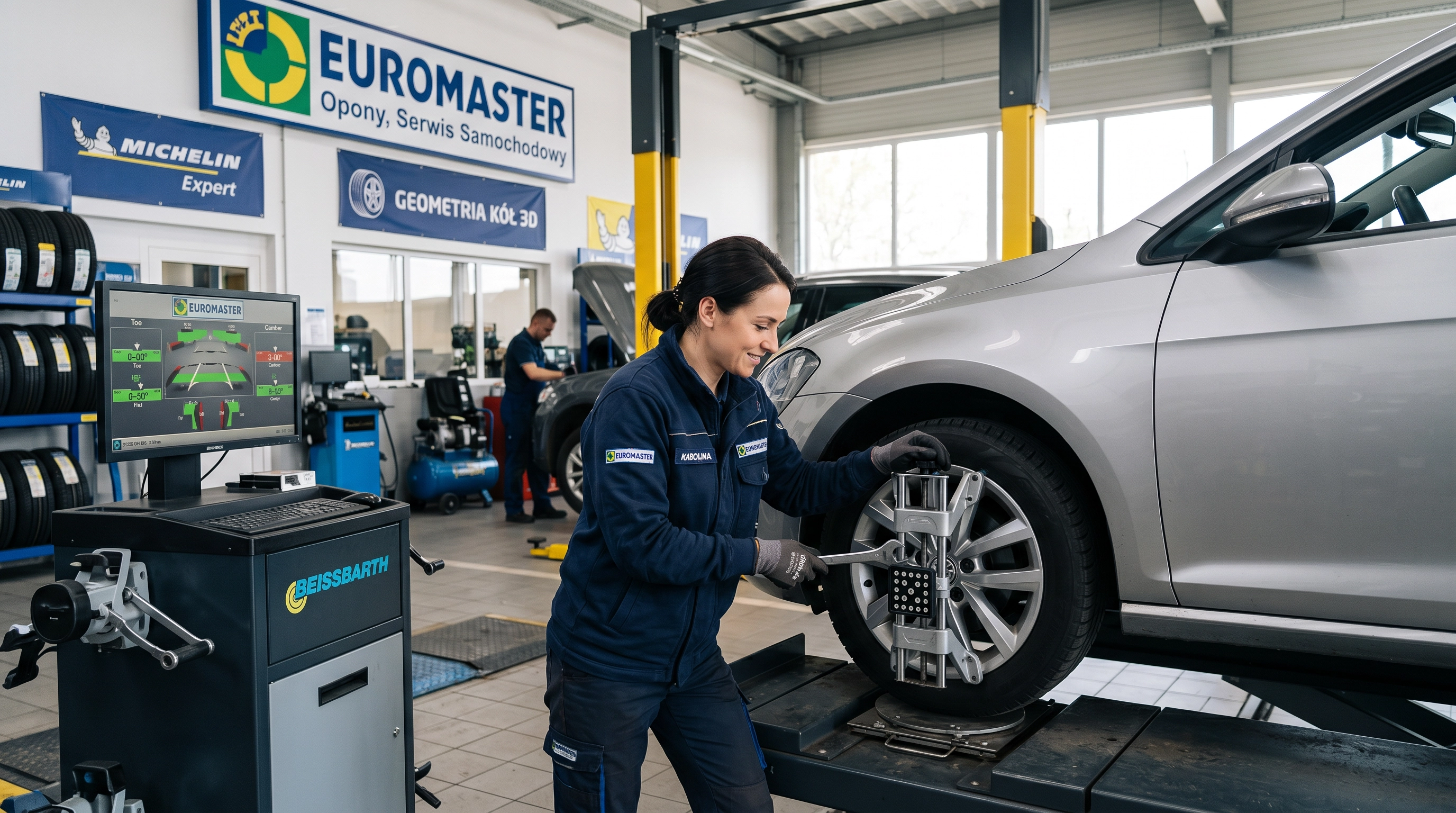
 211 unique leads
Automotive services franchise
ChatGPT Ads
We run ads in ChatGPT from strategy and context hints to OpenAI Pixel, Conversions API and optimisation. Double Digital is an OpenAI Select Partner, so you work with a team that is already inside the OpenAI Ads ecosystem.
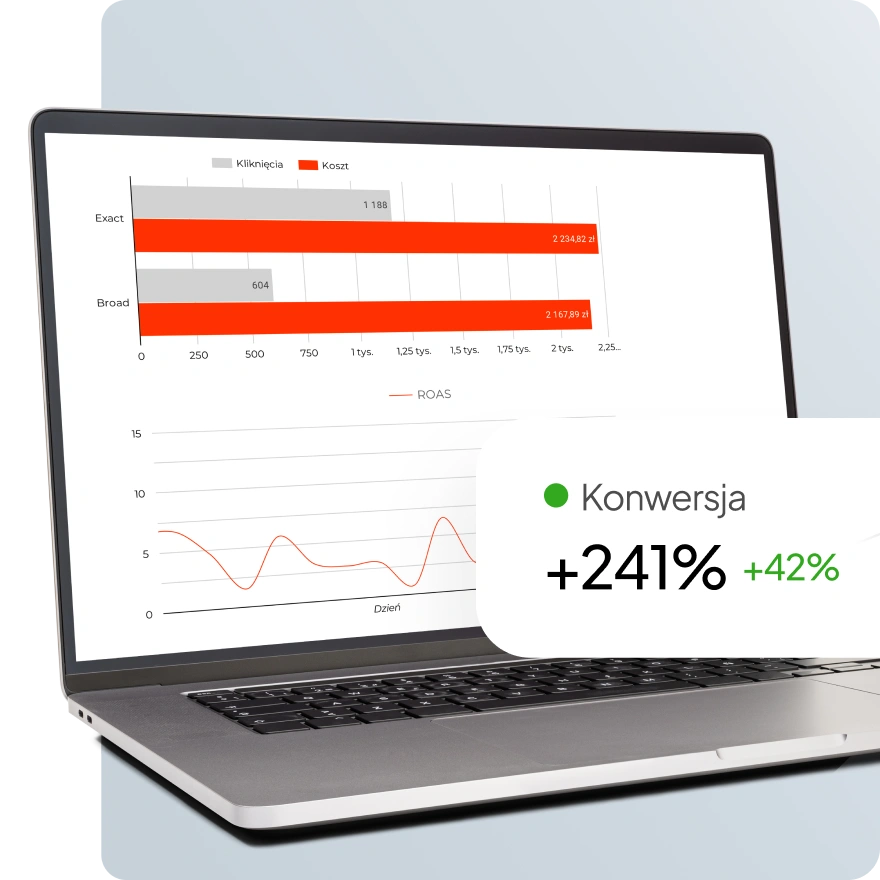
A ChatGPT Ads agency plans, builds, measures and optimises paid campaigns that appear next to answers in ChatGPT. Instead of bidding on keywords, you reach people through the context and intent of the conversation they are having. ChatGPT Ads is the official name of the product. OpenAI Ads is the common shorthand for the wider ad ecosystem, including Ads Manager.
We treat it as a new performance channel, not a copy of Google Ads. The work covers intent mapping, campaign structure, context hints, creative, landing pages, product feeds, OpenAI Pixel and Conversions API, and reporting tied to leads, sales and margin. It sits alongside our Google Ads, Microsoft Advertising and AI search work, with the same priority: profitability over clicks.
Double Digital is an OpenAI Select Partner, a Google Premier Partner 2026 and a Microsoft Advertising Partner.
Our Polish page reports that OpenAI launched ChatGPT Ads in 31 European markets on 24 August 2026, Poland included. A self-serve Ads Manager has been available in beta in Poland since 31 August 2026, and Double Digital has active access to it. Beta means the interface and features can change. We do not list individual countries here, so contact us to confirm what is open in your market before you plan a budget.
The format is built around one rule: the ad sits next to the answer, never instead of it.
The ad appears under ChatGPT's response. It is visually separated from the organic content and clearly labelled as sponsored.
OpenAI states that advertisers cannot influence the content, order or wording of the answer.
Each ad combines an advertiser name, favicon, headline, description, landing page and one image.
The system looks at the current conversation and at how useful the ad is likely to be for that person.
Context hints are broad topical signals, not exact-match keywords, and they do not guarantee that an ad is shown. A good hint describes a person in a specific situation, in the language of their problem rather than the language of your offer. We structure every account on four levels.
Sets the goal, the budget and the market.
Covers one topic or one intent, so that messages and landing pages stay consistent.
Describe the needs and situations in which your product is relevant. Instead of the keyword "marketing agency", a hint can describe a marketing lead who wants to scale campaigns, is comparing agencies because customer acquisition cost is rising, or is planning to switch partner.
Copy, image and landing page that continue the same promise as the hint.
From brand readiness to campaign optimisation, in six stages.
We map the questions, needs and decision moments in which your brand can genuinely help.
We prepare the account, roles, billing and verification so you are ready to launch.
We split campaigns and ad groups by goal, product, audience and use case.
We write the contextual signals, copy and visuals to fit the situation of the user.
We connect each ad to its landing page, UTM parameters, OpenAI Pixel, GA4 and conversion tracking.
We analyse relevance, CTR, CPC, CPM, conversions and the business outcome, then decide where the budget goes next.
For ecommerce, ChatGPT Ads supports campaigns built on product feeds. A feed uploaded via SFTP lets ads use up-to-date product data, availability and metadata inside shopping conversations. Feed quality, fresh data, creative and measurement decide how well this works.
We already work with product feeds for Google Shopping and run our own Comparison Shopping Service (CSS), Feedve, so feed hygiene is familiar territory for us.
You can also build your own audiences from first-party data, using email addresses or phone numbers. The minimum is 25,000 matched users, and OpenAI recommends at least 100,000 matches. Those thresholds were current when our Polish page was last updated.
Data as of 22 August 2026. The right model depends on what the campaign needs to achieve.
A reach model, suited to awareness goals.
A traffic model: you pay for clicks.
Optimises for conversion events that happen after the click.
The two channels answer different signals and can complement each other. If you already run Google Ads, ChatGPT Ads is an addition to test, not a replacement.
| ChatGPT Ads | Google Ads | |
|---|---|---|
| Main signal | Conversation context and intent | Search query or user profile |
| Targeting | Context hints and audiences | Keywords, data and audiences |
| Ad placement | Below the ChatGPT answer | Google Search and the Google network |
| Buying model | CPM, CPC and oCPC | CPC, CPM, CPA and ROAS |
| Maturity | Beta | Established ecosystem |
| Availability | Launched in 31 European markets on 24 August 2026 (position at 19 September 2026) | Available |
We map conversations to the stage of the decision and give each ad a clear job. This is how we would approach, for example, a company that wants to scale its marketing.
| Stage | Example conversation | Ad goal |
|---|---|---|
| Problem recognition | "Why are campaigns growing while profitability falls?" | Help structure the problem |
| Comparing solutions | "Agency or in-house performance team: which should I choose?" | Help assess the options |
| Ready to act | "How do I find an agency to scale an ecommerce business?" | Suggest the next step |
These are our own mock-ups, not OpenAI templates and not promised results. They show the native tone we aim for: an ad that continues the conversation instead of interrupting it.
Conversation: "Which chair suits a home office and a bad back?" Headline: "Compare ergonomic chairs up to €690". Description: "See adjustment, dimensions and availability of models built for long working days." Landing page: a category or product comparison.
Conversation: "How can we shorten the month-end close in finance?" Headline: "Shorten the month-end close". Description: "See the workflow for finance teams and book a 15-minute product demo." Landing page: a demo, benchmark or tool comparison.
Conversation: "What should I check when switching performance agencies?" Headline: "Switch agency without losing campaign continuity". Description: "See how accounts, analytics and ad activity are handed over, step by step." Landing page: a consultation, process page or readiness audit, as on our switch agency page.
A short test cycle designed to show which intents deserve budget.
We pick the 2 to 3 conversations with the highest business potential, each with its own ad group and landing page.
Each ad group starts with 3 to 4 headlines, 1 to 2 descriptions and one visual direction. We test context hints (problem, use case, decision stage), creative (comparison, outcome, proof, next step), dedicated versus generic landing pages, and the buying model.
We compare relevance, CTR, CPC and on-site behaviour. Hints are judged on relevance and reach, creative on CTR and traffic quality, landing pages on conversions and value. We never scale on a cheap click alone.
We move budget to the intents that bring valuable sessions, leads or sales, and plan the second round of tests.
Tracking runs through OpenAI Pixel, the Conversions API or both. We report impressions, clicks, CTR, average CPC, CPM and conversions, and combine Ads Manager data with GA4 and Tag Manager, your CRM and sales results. A typical UTM set looks like this: utm_source=chatgpt, utm_medium=cpc, utm_campaign=scaling, utm_content=agency_comparison.
Trusted by leading brands


 211 unique leads
Automotive services franchise
 800% ROAS
Premium furniture ecommerce · United Kingdom
 about €3.7m additional revenue in 4 months (PLN 16 million)
Premium furniture manufacturing, ecommerce · Poland
Tell us about your market, goals and budget. We will map the intents worth testing and agree how to measure them.
Talk about ChatGPT AdsPrivacy preferences
We use cookies and similar technologies to operate the site, measure performance and show relevant ads. Accept all, reject all or choose categories. You can change your choice at any time via “Cookie settings” at the bottom of every page. See our privacy policy.