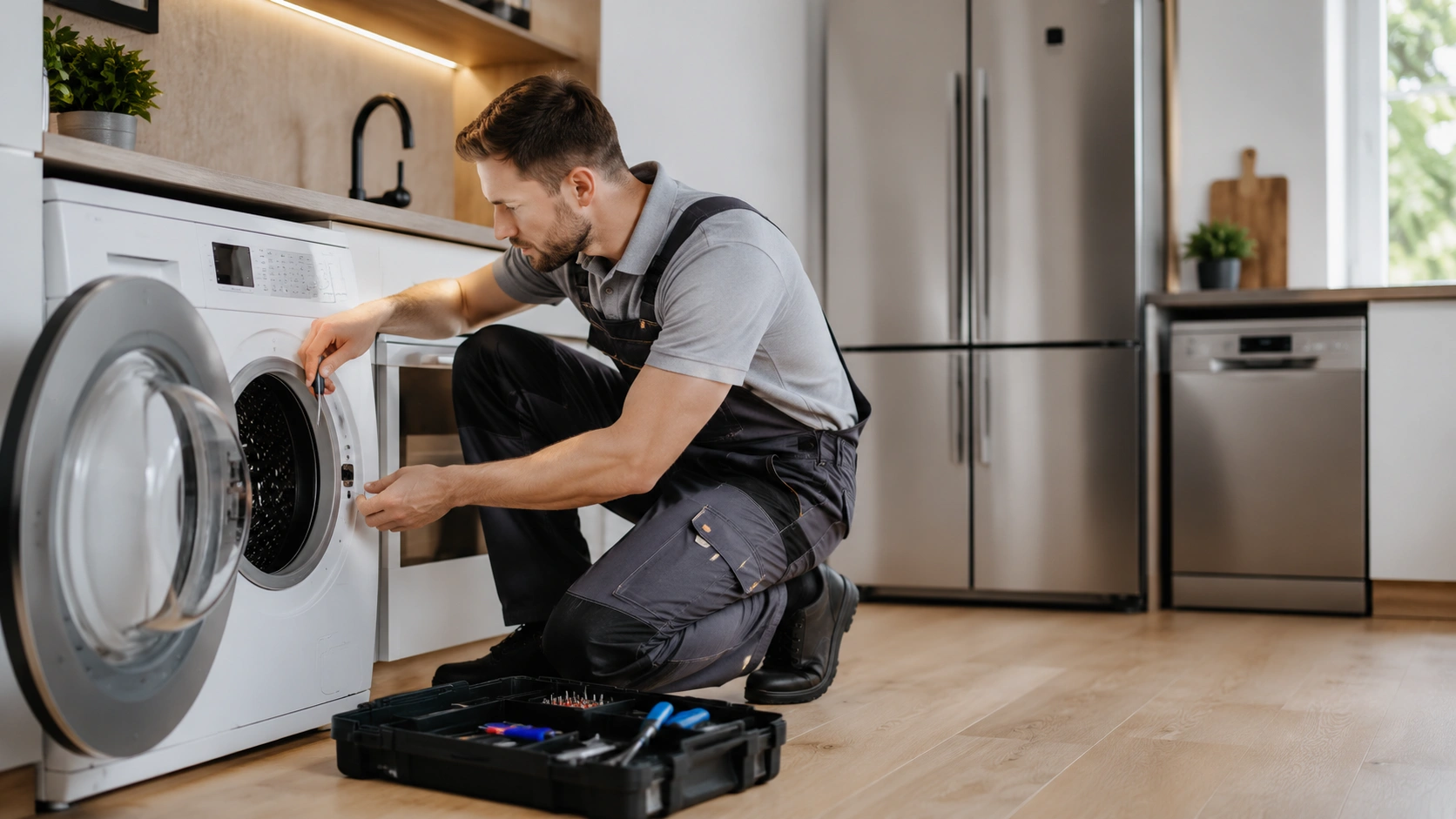
 4× more contacts
Appliance repair services · Poland
Google Ads
Demand Gen campaigns put your product in front of people on YouTube, Discover, Gmail and the Google Display Network before they start searching. We build the creative, the audiences and the measurement, then optimise for traffic, conversions and sales value.

Demand Gen campaigns are a Google Ads format for building interest and driving action on visual surfaces. They combine video, images, carousels and, for online shops, product data. Unlike Search, they do not wait for a typed query. They reach people while they browse, discover and compare.
That makes Demand Gen useful at the top and middle of the funnel, but it can also optimise for traffic, conversions and sales value. Results depend on creative, audiences, measurement and bidding working together. Google's automation chooses the asset and placement combinations, yet it does not know your margins, lead value or best arguments unless you build them into the account structure, conversion values and messaging.
Double Digital is a Google Premier Partner 2026 (top 3% of Google Ads agencies in Poland) with a 5.0 rating on Clutch. We run Demand Gen alongside YouTube Ads, Search, remarketing, Performance Max and GA4, so every channel has a clear job.
Not every format runs everywhere, so assets need to be prepared for the placements you use.
Vertical, mobile-first video. Without a vertical asset you lose one of the most engaged placements.
Video and image ads shown where people browse for something to watch.
Ads next to related videos and in YouTube search results.
Image and carousel ads in the feed people use to discover content. Product photo sets can work well here.
Visual ads in Gmail, where people browse rather than search.
Reach beyond Google's own surfaces. Display campaigns are now managed inside Demand Gen.
Since May 2026, Google Display Network campaigns are managed inside Demand Gen, and Google has announced that the migration will be complete in 2027. Existing campaigns are not deleted. Only the place where you manage them changes, and you can still limit delivery to the Display Network only.
Demand Gen adds YouTube, Discover, Gmail and Google Maps, which you need to switch on deliberately. Before you migrate, clean up your creative, audience signals and conversion tracking.
Google reports that advertisers who added Display to Demand Gen saw an average 9.5% increase in ROI. That is Google's own data from selected campaigns, so treat it as a direction, not a forecast for your account.
One team covers strategy, creative, media and analytics, in four stages.
We define the role of the campaign (build new demand, grow traffic, drive conversions or re-engage), the offer and the funnel stage. Conflicting goals do not share a campaign, because the system will chase the easiest action, such as clicks.
We build segments from first-party data, site visitors, YouTube viewers, custom segments and lookalikes, and prepare images, video and carousels in the ratios each placement needs.
Conversion tracking is checked first. Then we test one meaningful difference at a time, such as a product video against a customer story or a different first few seconds, and judge traffic quality and reaction rather than day-one numbers.
We scale the combinations that work, move budget to valuable segments, replace creative that fatigues and watch the effect on your Search and Shopping results.
Audience sources include customer lists and first-party data, visitors to specific site sections, YouTube channel viewers, custom segments tied to a need, interest-based audiences and lookalikes. Too broad and you buy reach with little value. Too narrow and you limit scale and optimisation. For lookalikes, the quality of the seed matters most: buyers of a specific category, high-value customers and qualified leads make better seeds than all site visitors.
The best assets are not cropped banners. They stop the scroll, communicate value quickly and stay readable on a small screen. For video, that means a hook in the first seconds, the product, problem or benefit shown without a long intro, captions for sound-off viewing, restrained branding and a clear next step. We prepare vertical, square and horizontal versions.
Graphics should carry value without long copy. Carousels (2 to 10 cards) suit several products, successive use cases or the stages of a service. Original photos and footage outperform stock imagery, because people skip content that looks like a catalogue.
Specs come from third-party guidance and change over time, so confirm them against current Google Ads documentation before production.
| Asset | Format or limit | Where it helps |
|---|---|---|
| Video | Up to 30 seconds, must work without sound | YouTube in-stream, in-feed and Shorts |
| Horizontal image | 1.91:1 | Discover, Gmail and Display. Most versatile, weakest on mobile |
| Square image | 1:1 | Discover and carousels. Handles cropping well |
| Vertical image | 4:5 | Shorts and mobile browsing |
| Headlines | Up to 5, 30 characters each | All placements. Vary the benefits instead of rephrasing one idea |
| Descriptions | Up to 5, 90 characters each | All placements. One sentence, one concrete point |
There is no universal minimum budget. It depends on audience size, cost per conversion, market, the number of formats and the time you need to collect data. A common rule of thumb ties the daily budget to a multiple of your target CPA, often quoted at 15 to 20 times. With a target CPA of about €14, that is roughly €275 per day. If that is out of reach, start with Search and Shopping and add Demand Gen later.
Third-party guidance runs from USD 20 to 30 per day for small local advertisers to about USD 100 per day for ecommerce with large catalogues or several markets. Some practitioners warn that below roughly USD 75 per day the data gets too sparse for a reliable read.
On bidding, Maximize Clicks suits valuable traffic, Maximize Conversions gets as many actions as the budget allows, Target CPA aims at an average acquisition cost and Maximize Conversion Value aims at total value. Target ROAS needs enough conversion history, so with limited data Maximize Conversions or Target CPA is the safer start. No bid strategy fixes weak measurement: if your main conversion is a trivial click, the system will multiply clicks.
Judged by last-click ROAS, Demand Gen will always look weak, because it works higher in the funnel. Better signals are growth in branded searches, the share of new customers (if most are returning users, the campaign duplicates remarketing), reach and frequency in the target segment, and the effect on total account results, especially on Search and Shopping.
Expect a learning phase of two to four weeks and allow 60 to 90 days for a full evaluation. Early numbers mostly describe how the algorithm searched for audiences. Compare Google Ads data with GA4, your CRM and your shop platform, and decide on monthly trends.
Both use Google automation but play different roles. Demand Gen focuses on visual surfaces, audiences and interest-building creative, with more control. Performance Max runs across more of Google and chooses channels itself. PMax tends to capture existing demand, Demand Gen tends to create it.
Learn moreDemand Gen can reach new people and re-engage known ones. A dedicated remarketing campaign gives you more control over time since visit, ad sequencing and exclusions.
Learn moreLaunch new collections, show products in use and build demand ahead of seasons. Merchant Center products can appear in visual formats, but the feed does not replace brand creative.
Learn moreBuyers often recognise a problem before they search for a solution. Short demos, case studies and expert videos reach them earlier.
Learn moreIt works best when:
Hold off if Search and Shopping are not yet profitable, the daily budget is below roughly USD 75, the product is hard to show convincingly, conversion tracking is unstable or you have no creative resources. Capture existing demand first, fix measurement, then return to Demand Gen with a bigger budget and ready creative.
4,008%
ROAS in the summer season for Hotel Bania, from Google Ads, analytics and a seasonal strategy
9.34k
conversions in the same summer season
2,875%
ROAS in September and October for the same hotel
€3.55M
Google Ads sales in 9 months for one ecommerce project (PLN 15.5 million), combining sales and demand-building campaigns
Trusted by leading brands


 4× more contacts
Appliance repair services · Poland
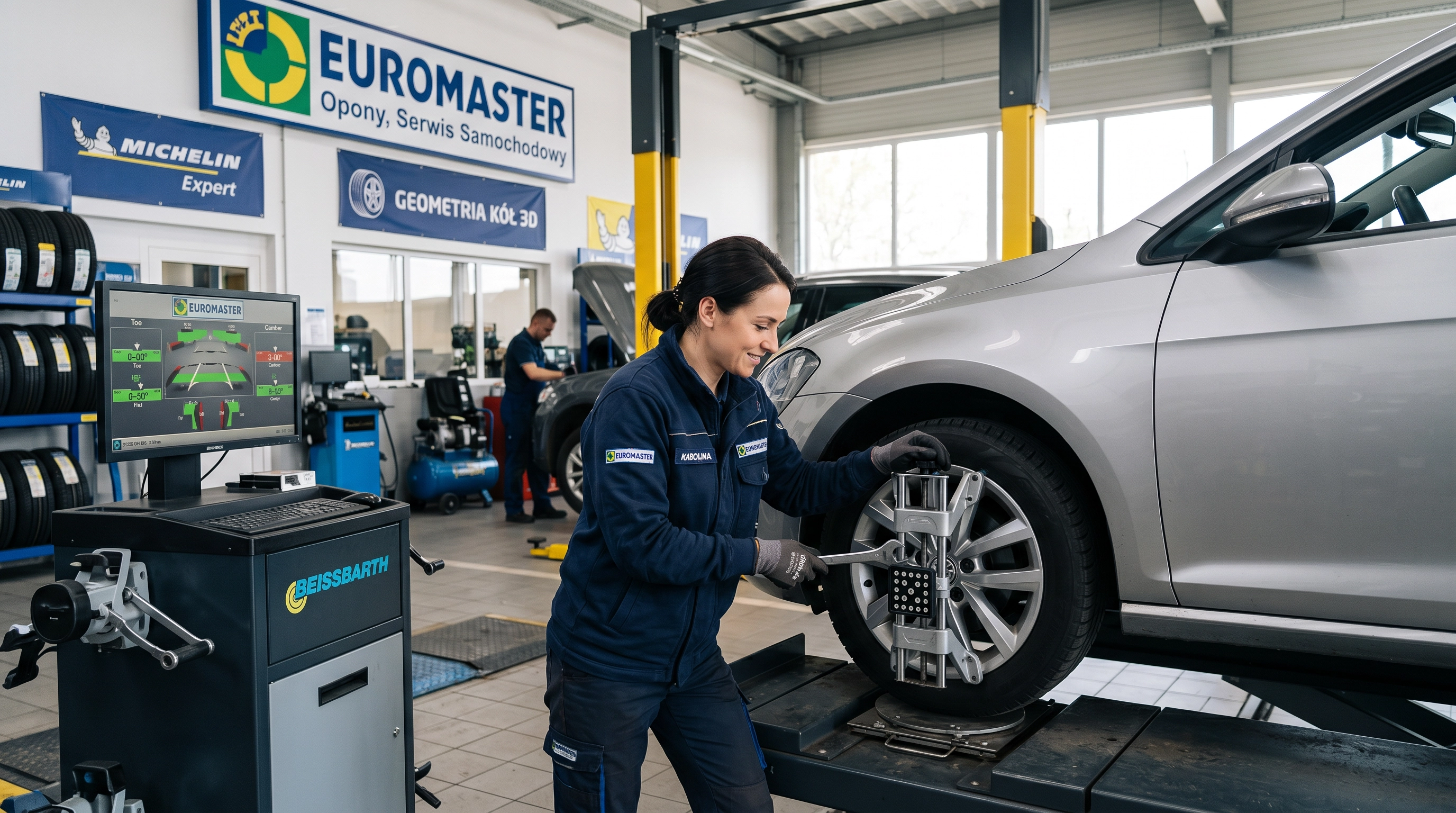 211 unique leads
Automotive services franchise
 4,008% ROAS
Hospitality · Poland
Tell us about your offer, your audiences and the creative you already have. We will show you where Demand Gen fits next to your Search and Shopping campaigns.
Get a free auditPrivacy preferences
We use cookies and similar technologies to operate the site, measure performance and show relevant ads. Accept all, reject all or choose categories. You can change your choice at any time via “Cookie settings” at the bottom of every page. See our privacy policy.